
The Love Letter & the Logo
Design solves problems for other people. Art asks questions for yourself.
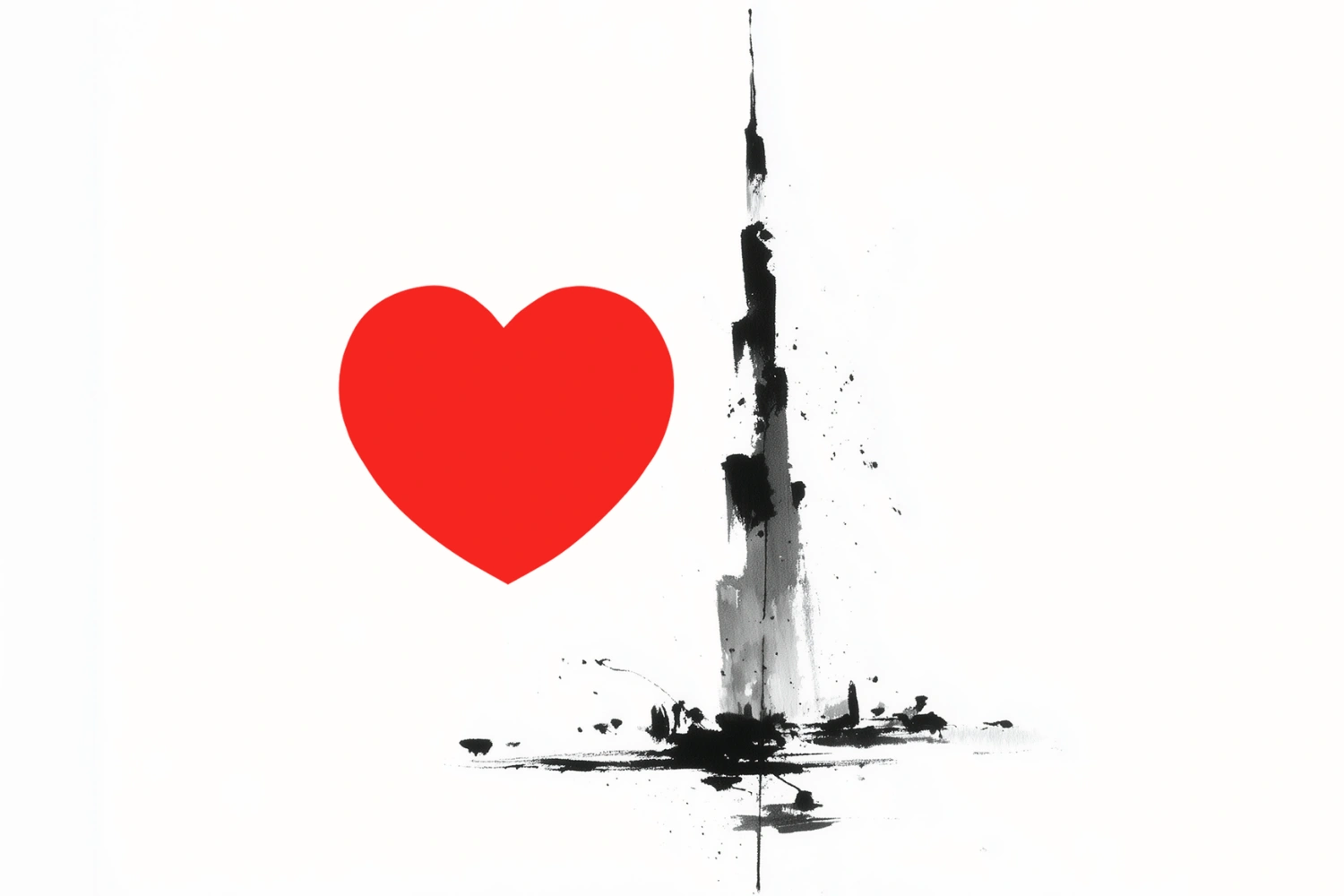
Recently, Art Dubai opened in Madinat Jumeirah, about four weeks later than planned. The original April dates had been called off in March, when the region settled into a stretch of uncertainty that narrowed the space for the kind of public event a calendar usually takes for granted.
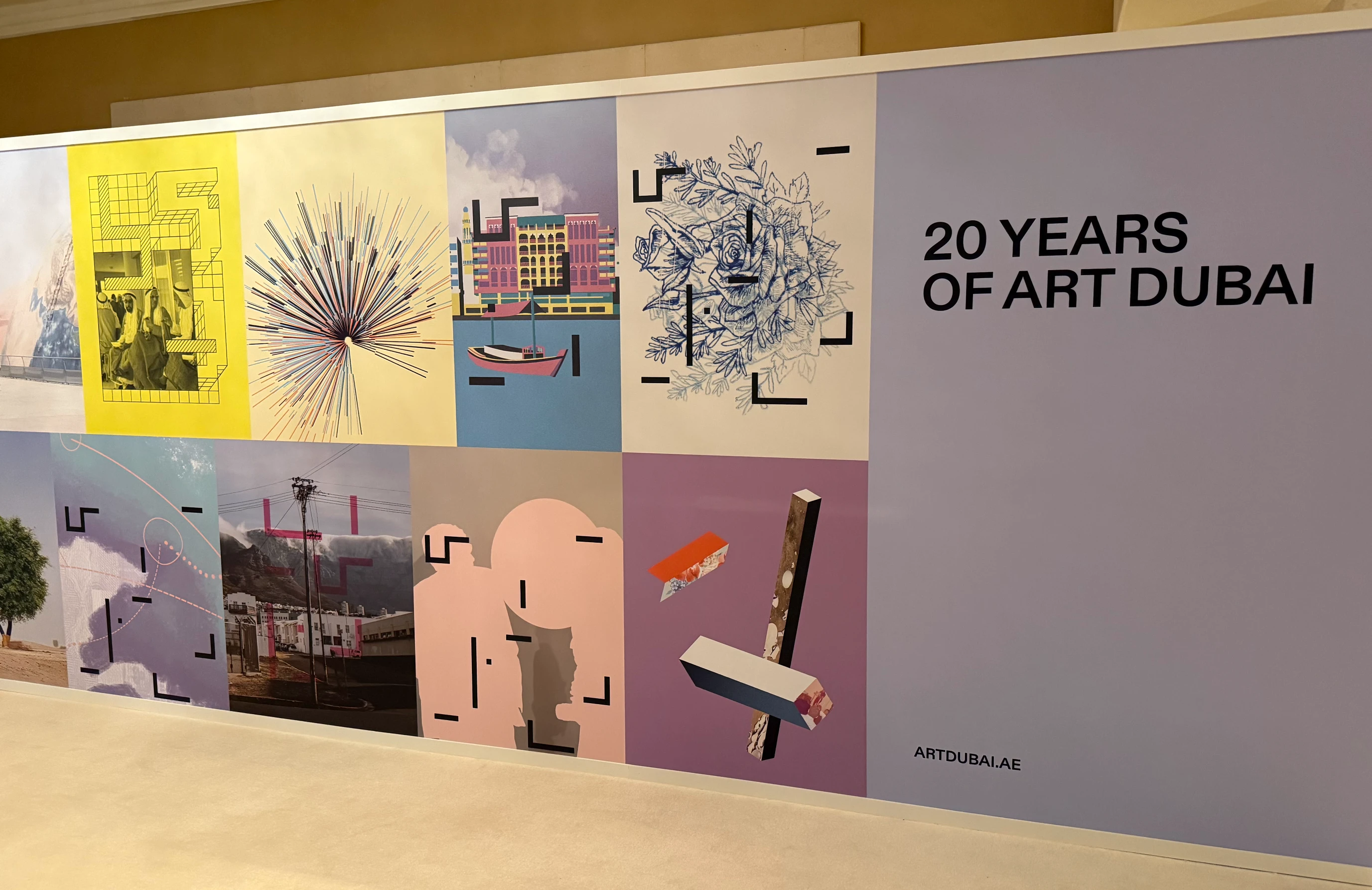
What I noticed, walking through it, was how necessary the gathering felt. And here it was, with collectors who had flown in from Seoul and São Paulo standing in the same room as artists from Sharjah and Beirut.
Art has always done this: it gathers. It is one of the things people make that, by their very existence, ask others to come and stand near them. A painting on a wall is a small, persistent invitation. A fair is the same invitation at scale.
In a room like that, you find yourself asking what art is actually for. The honest answer, I think, is a modest one. Art gives people a reason to stand near each other, and to wonder about the same thing at the same time.
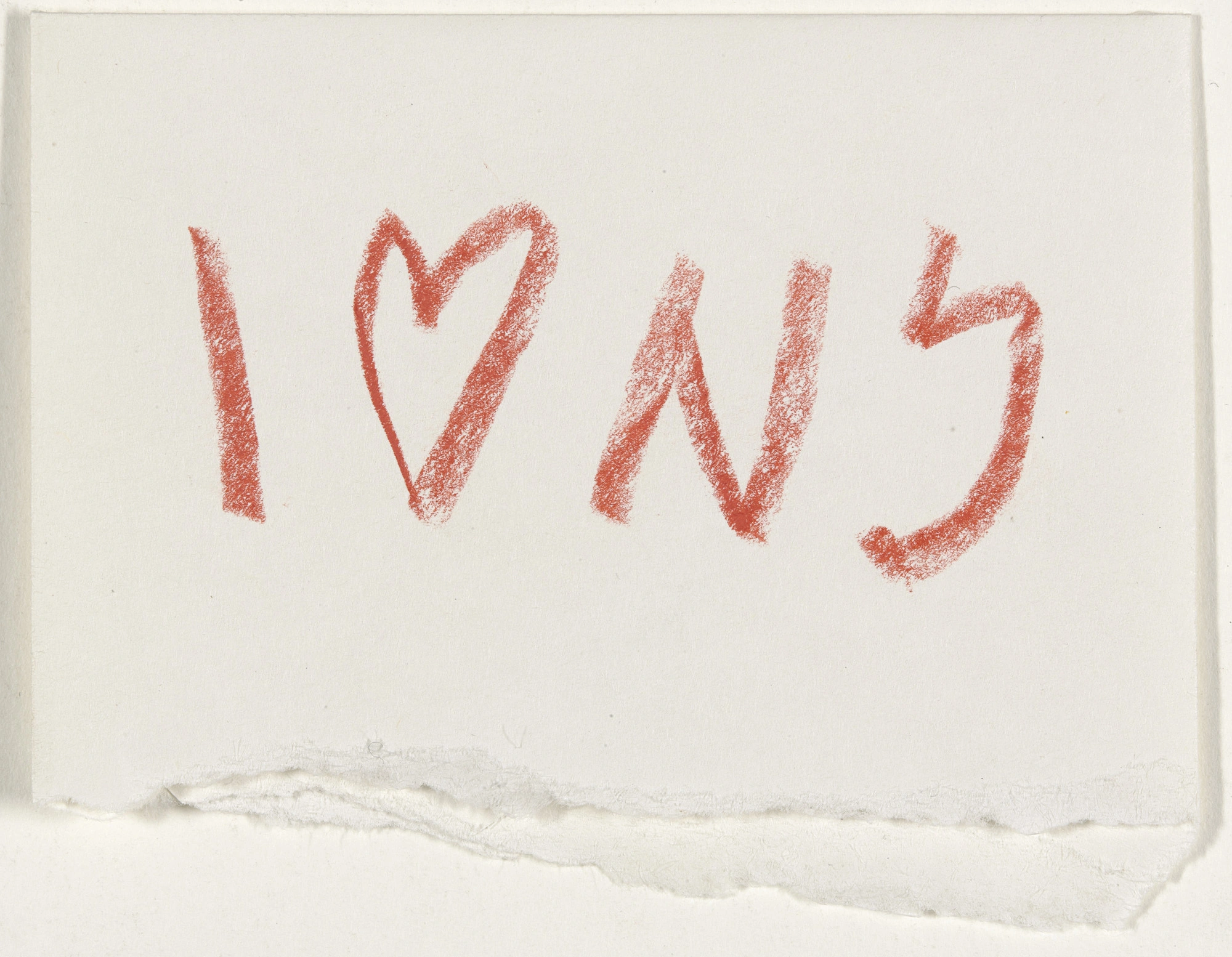
As a designer, I kept thinking about Milton Glaser. Specifically about a taxi ride in 1976, when New York was several years into a decline that had started to feel permanent: the fiscal crisis, the graffiti on every subway car, the sense, even among people who loved the city, that it was becoming difficult to love. Glaser had been asked by the State of New York to help with a tourism campaign. He agreed to do it pro bono. Somewhere uptown, with a red crayon and a torn envelope, he sketched it: three letters, a heart in the middle. The original now sits in the permanent collection of the Museum of Modern Art in New York City.
Design, he said, was about solving problems for other people. Art was about asking questions for yourself. A good designer might make something with the qualities of art, and a good artist might use the techniques of design, but the orientation is different. The designer's first question is: what does this need to do? The artist's first question is: what do I want to find out?
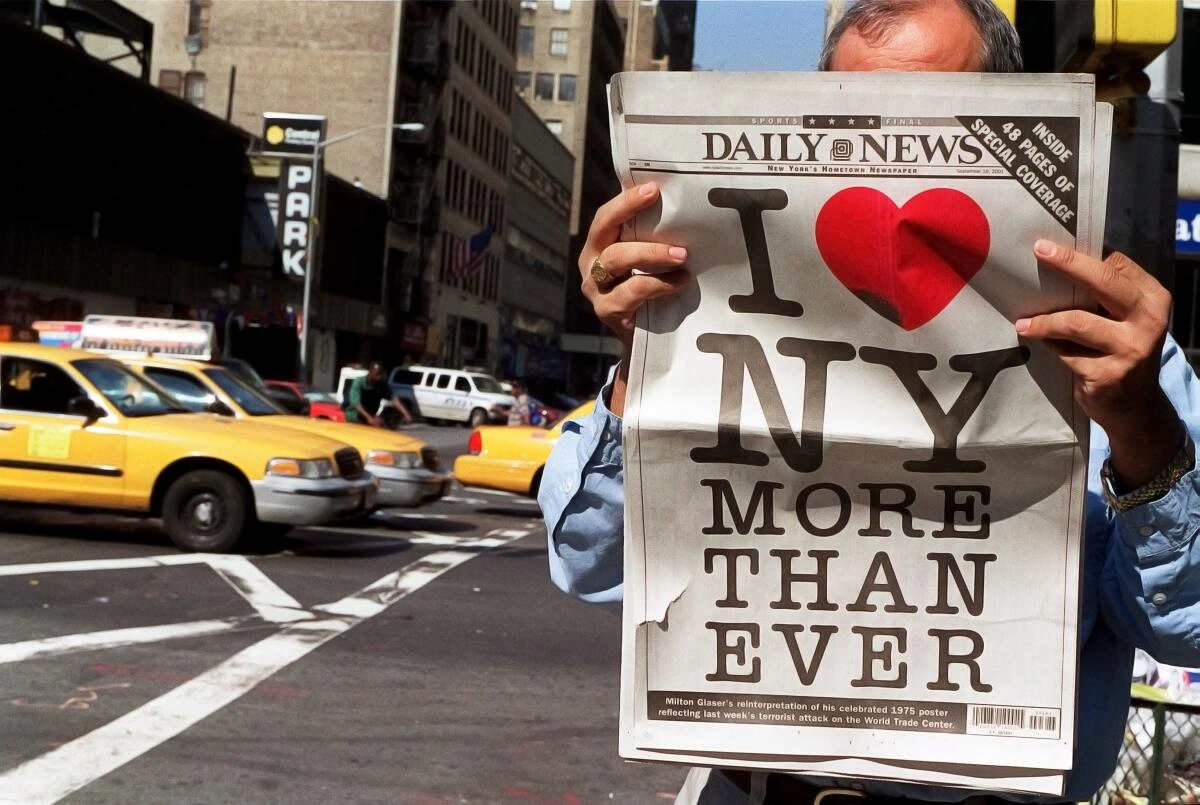
Glaser was not romantic about the difference. He thought design mattered precisely because it was useful, and art mattered precisely because it was not. He often said the I♥NY logo was not, in the end, design. It was something closer to a love letter. The distinction matters. A logo is built to work for a brand. A love letter is built to work for a relationship.
Art Dubai at twenty years old is a useful place to test that distinction, because it is, openly, doing both jobs at once. It is a contemporary art fair, where galleries from Mumbai, Beirut, Cairo, Lisbon, and Riyadh bring work they want to sell to collectors who fly in to buy it. It is also a brand instrument: the city's tourism department, the Emirate's cultural authority, and the sponsors back the fair because the fair confirms that the city is culturally relevant.
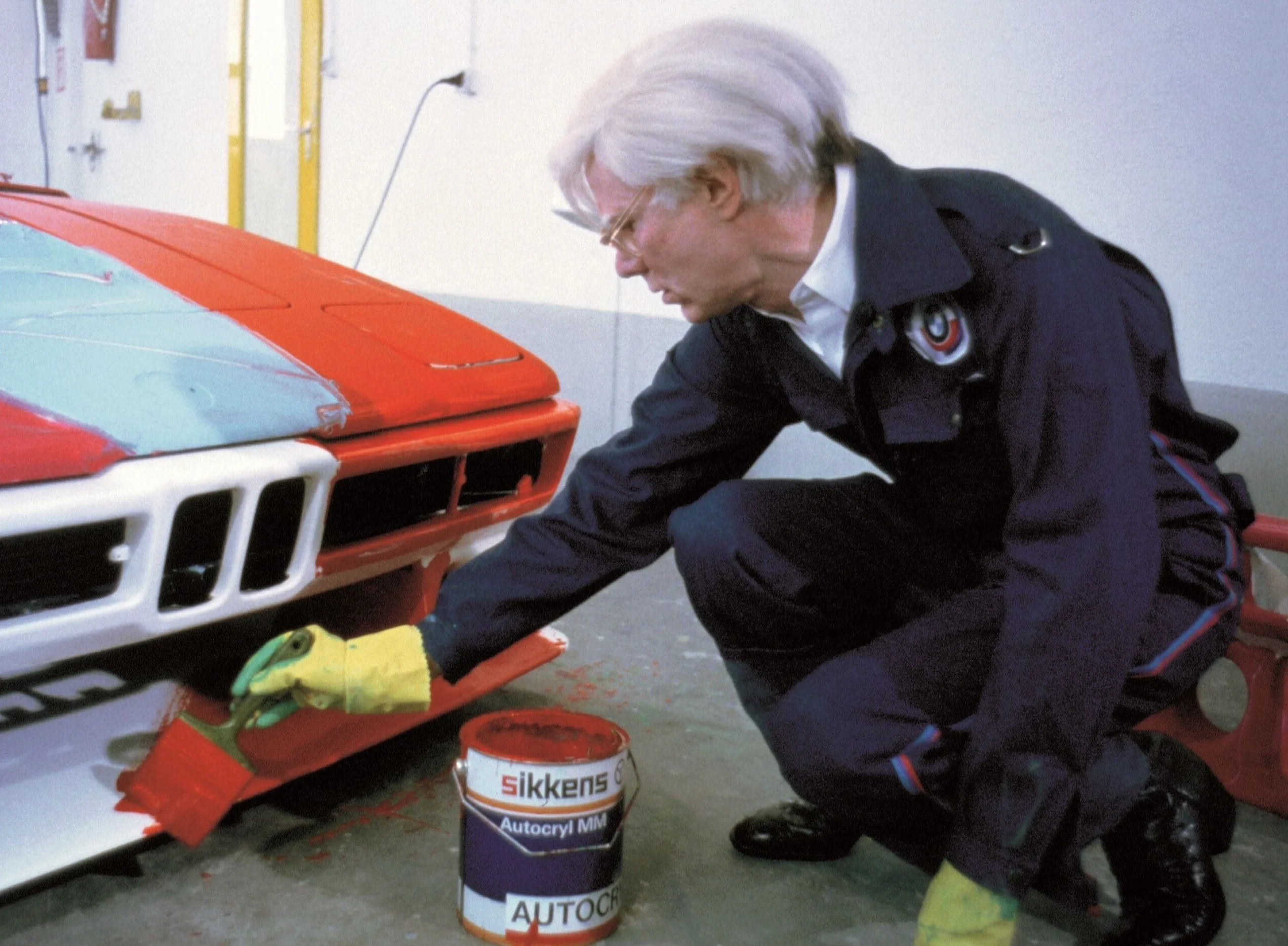
Brands have been trying to borrow from art for at least a century, and the results vary in a way that is, mostly, predictable. BMW began commissioning what it called Art Cars in 1975, and in 1979 Warhol picked up the brush and painted his M1 in twenty-eight minutes. The camera crew almost missed it. That same car came to Art Dubai last year, its first time in the region, parked a few halls from where I was now standing. The success of the project, fifty years in, is that BMW never tried to convert the art into a marketing exercise. The cars are simply cars transformed through creative intervention. The brand and the artist sit side by side, not on top of each other.
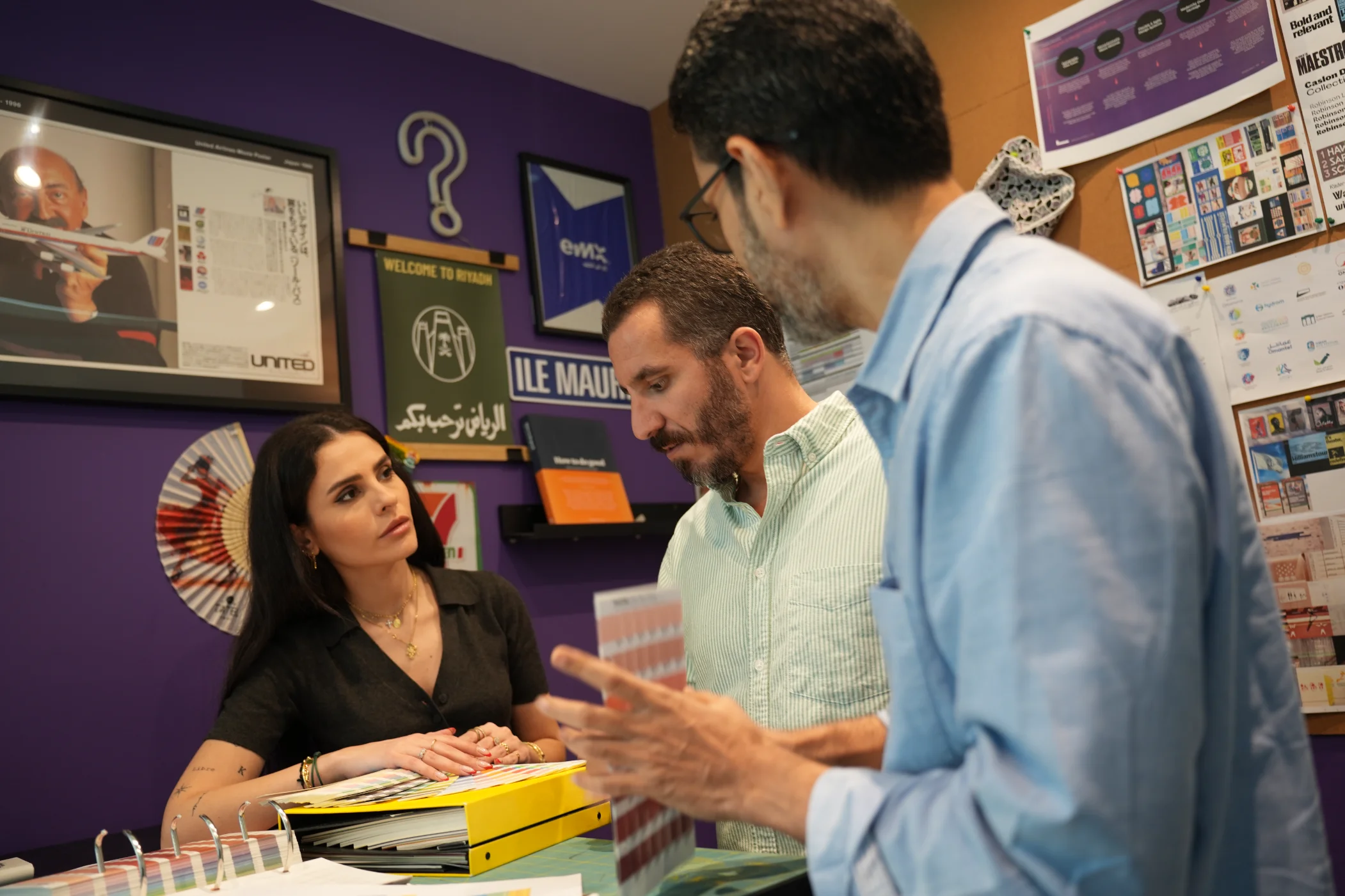
At Brand Lounge, we worked on Amaseé, a new confectionery and gourmet dates brand that arrived with something worth protecting: a strategy built around what we called Taste & Time, a genuine duality that wanted art at its side rather than in its service. The question that ran through the project was exactly Glaser's. Not whether to carry art alongside the brand, but how to hold it there without turning it into a tool. Getting that relationship right turned out to be the thing the work was actually about.
.webp)
The lesson, if there is one, is that art does not survive being made into an instrument. It survives being held next to a thing, in the way a fair places galleries next to each other, or the way Glaser held a heart next to the letters NY without trying to explain what the heart meant.
The art on the walls last week was good. But what stayed with me afterwards was not a particular piece. It was the room itself, and the fact that it had been filled.
Glaser was open, late in his life, about why his three letters and a heart had worked. It was a gift. He had given it freely to a city that needed something to hold onto, and the city held onto it. It was a piece of design that did what art does: it gave people a reason to feel something, and to feel it together.

Latest News & Insights

.webp)

.webp)

.png)
.webp)

Our Practices
Through strategy, design, culture, and innovation, our practices are built to create brands with meaning.