The Journey of Spiritual Hospitality
Rooting Makarem’s identity, culture and service in a return to its origins.
There are places where hospitality can never simply mean accommodation. Makkah and Madinah are among them.
Millions arrive each year carrying something far greater than luggage. They arrive with intention, expectation, vulnerability, faith and, for many, the significance of a journey they may have imagined for most of their lives.
For a hospitality brand operating in this context, the usual language of the category begins to feel insufficient.
Comfort matters. Service matters. Location matters. But none of those things adequately describe the responsibility of welcoming someone at one of the most spiritually significant moments of their life. That was the question sitting beneath Makarem.
The brand had decades of experience in Saudi hospitality and a deep presence in Makkah. But the more we looked at what made Makarem valuable, the clearer it became that competing as another hotel company - even a very good one - would undersell what was already there.
The opportunity was to define hospitality differently. And sometimes, the most powerful act of differentiation is not finding a better position within an existing category. It is realizing the category itself is too small for the truth of the brand. That thinking led to Spiritual Hospitality - a different understanding of the role a hospitality brand could play.
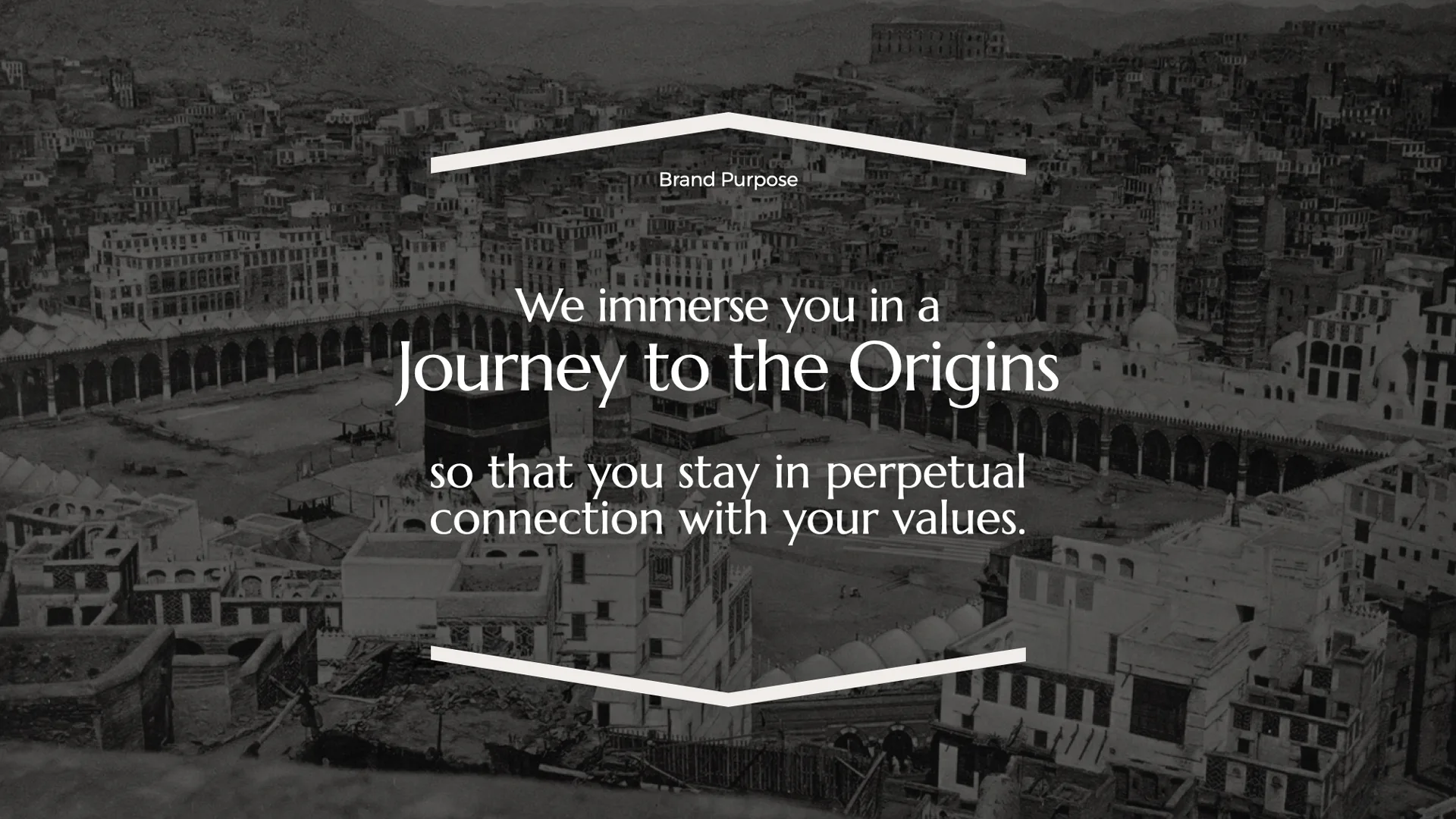
If a guest’s journey is ultimately one of return, to faith, meaning, values and self, then the hotel is not simply where that journey pauses overnight, it becomes part of the journey itself.
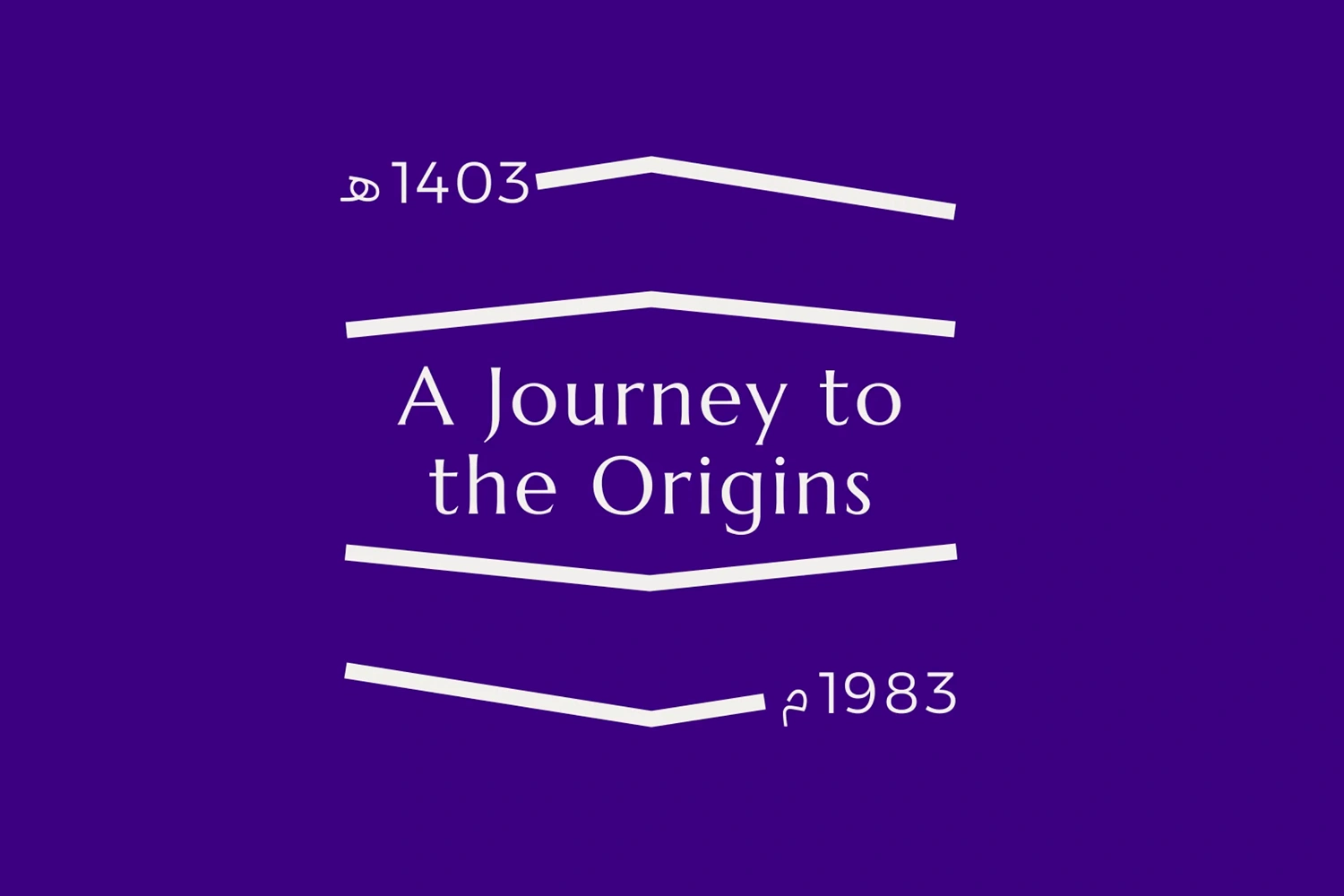
Makarem’s purpose, built around a “Journey to the Origins,” changed the frame entirely.
Suddenly, service could be understood through a different lens. The employee was no longer simply delivering hospitality, they were the guardians of someone’s spiritual journey.
Even familiar components of brand identity could carry deeper meaning. The number five became a structural idea connected to the five pillars of Islam and five daily prayers; Makarem’s 5 virtues translated that thinking into the brand behaviors, while the identity drew respectfully from sacred geometry of the origin itself.
This is where brand strategy becomes interesting. It began by asking what Makarem had the right to mean.
Brands often search for differentiation by looking outward: what are competitors saying, what territory is available, what visual codes have become overused? Those questions matter. But the strongest opportunities are often found by looking inward first.
What truth has the organization earned?
What can it credibly say that another business cannot simply decide to say tomorrow?
Makarem’s spiritual context had been built through decades of serving guests travelling to Islam’s holiest cities. The strategy simply gave that truth a clearer role. And once that role was defined, the implications moved far beyond communications.
The brand was embedded across the guest journey, service culture, physical environments, wayfinding, photography, amenities and employee experience. More than eight properties were eventually unified around the same philosophy and service culture.
That is the difference between creating a distinctive idea and building a brand around one, and where category creation matters when it is done properly.
Calling something Spiritual Hospitality only has value if the organization can make the category real.
It has to influence what guests experience, what employees understand their role to be, and most importantly, create a standard the brand itself is then responsible for living up to.
For Makarem, that was the real opportunity - to give language to a form of hospitality that had always existed culturally and spiritually, and build an entire brand, identity and service culture capable of owning it.
That is what gave Makarem a position with real depth: a brand rooted in place, faith and experience, expressed through a category only it had the credibility to lead.
Explore the full Makarem case study
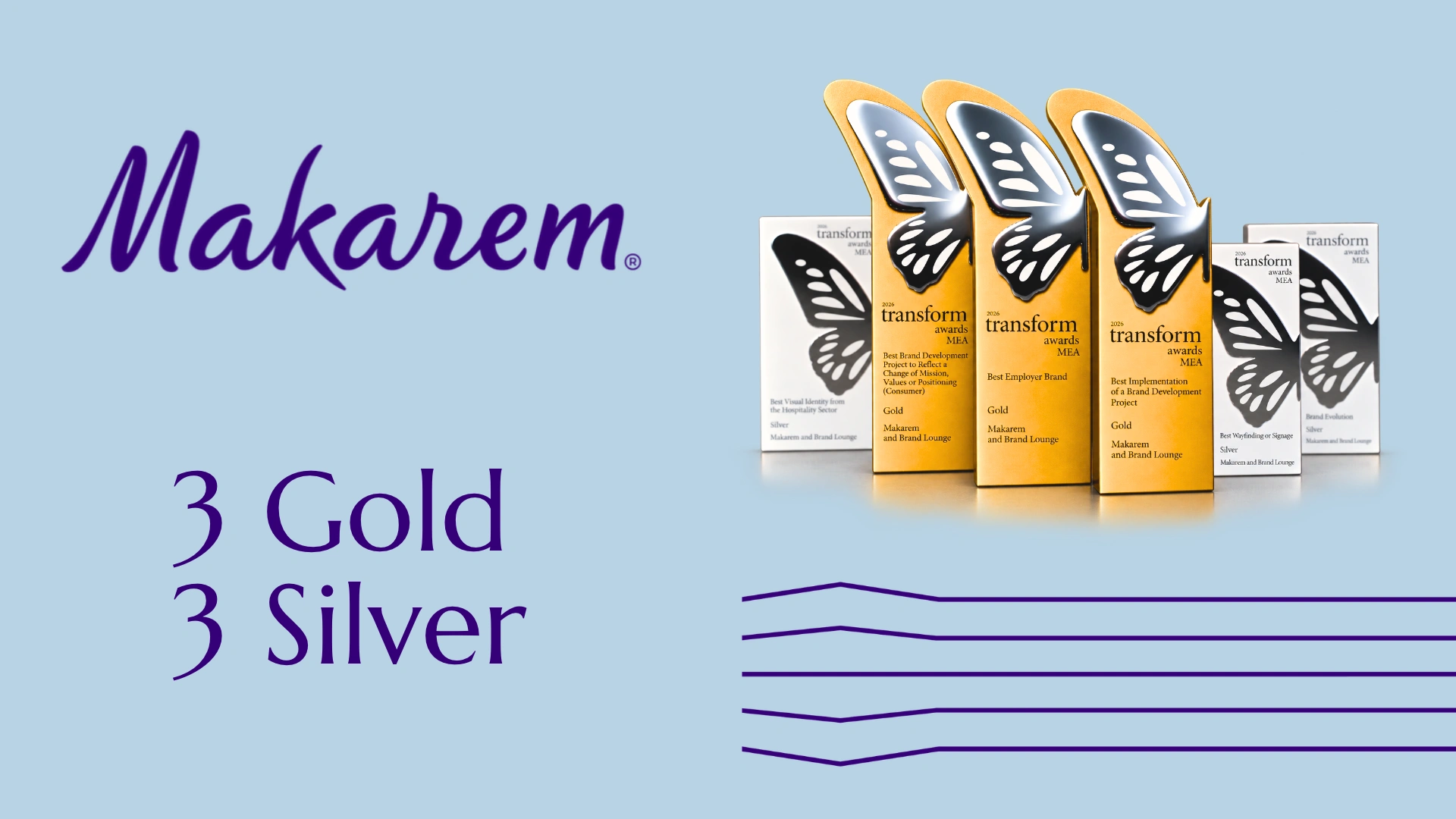
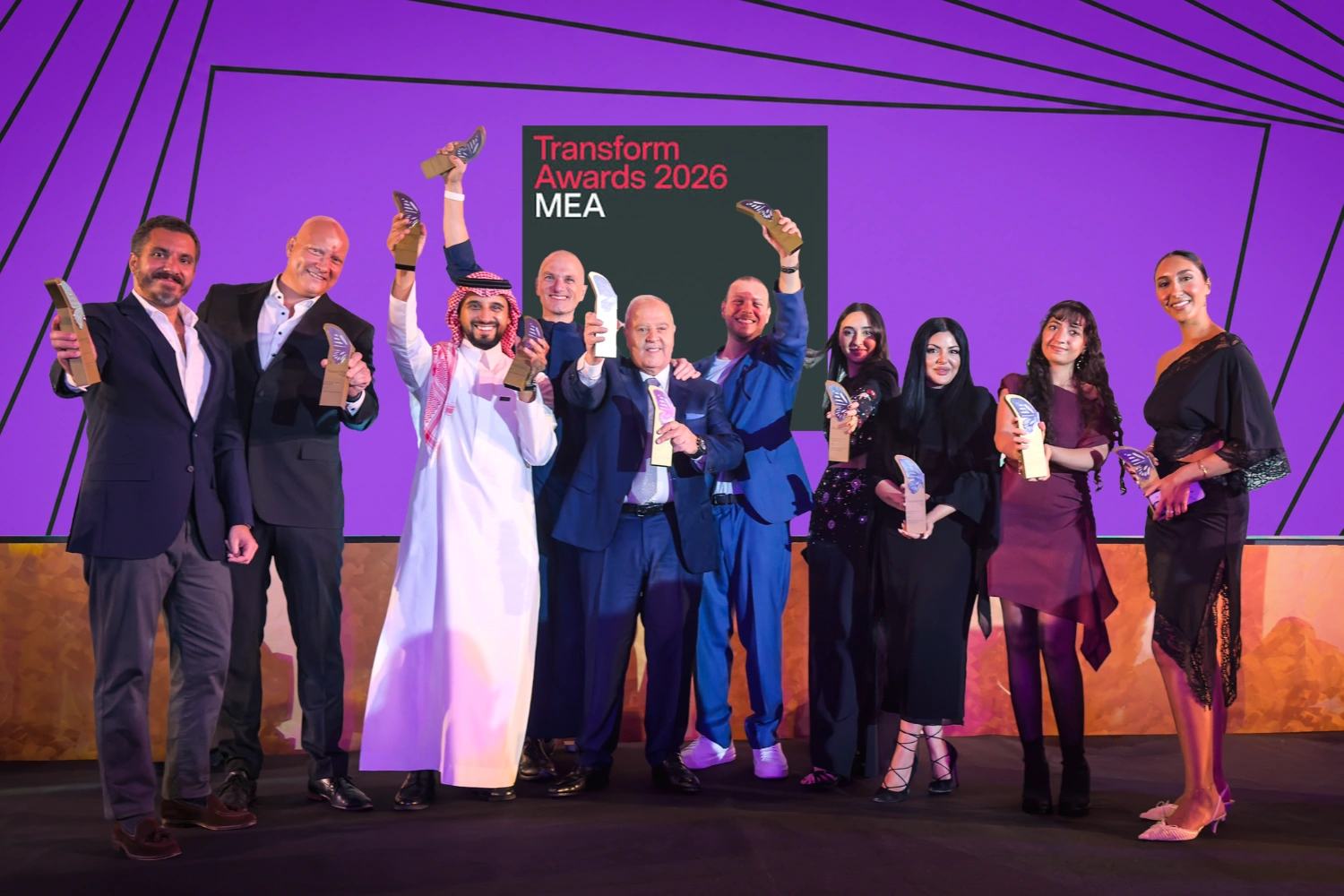
Makarem’s transformation was recognized at the 2026 Transform Awards Middle East & Africa with the following awards:
Gold
- Best Implementation of a Brand Development Project
- Best Brand Development Project to Reflect a Change of Mission, Values or Positioning (Consumer)
- Best Employer Brand
Silver
- Best Wayfinding or Signage
- Best Brand Evolution (Consumer)
- Best Visual Identity from the Hospitality Sector
Total: 6 awards — 3 Gold, 3 Silver

Latest News & Insights



Our Practices
Through strategy, design, culture, and innovation, our practices are built to create brands with meaning.